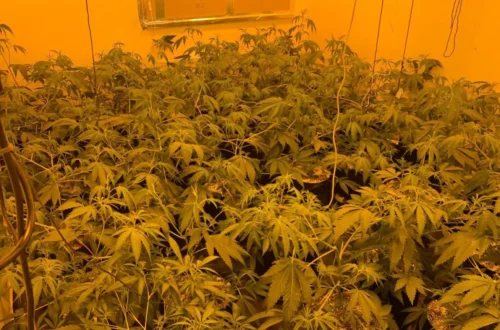
Evolving Landscape of Plantation and Farm Management
Plantation and farm management have evolved significantly in response to global demand for food security, climate resilience, and sustainable resource use. Modern agricultural systems are no longer limited to traditional crop production but now integrate environmental stewardship and commercial efficiency. Farm managers are increasingly required to balance productivity with ecological protection, ensuring long-term soil fertility and biodiversity conservation. This shift is driven by climate change impacts, land degradation, and increasing population pressure. As a result, plantation management now emphasizes structured planning, efficient resource allocation, and sustainable land use strategies that support both economic growth and environmental stability.
Agroforestry Investment Opportunities Driving Rural Economies
Agroforestry investment has emerged as a powerful driver of rural development and sustainable agriculture. By integrating trees with crops and livestock Plantations International Press Releases systems, investors can diversify income streams while improving land productivity. This approach enhances carbon sequestration, reduces soil erosion, and increases resilience against climate-related risks. Governments and private stakeholders are increasingly supporting agroforestry projects through incentives and green financing programs. Plantation owners benefit from multiple revenue sources such as timber, fruits, and medicinal plants. These diversified systems not only strengthen farm profitability but also contribute to long-term ecological balance and rural employment opportunities.
Sustainable Agricultural Practices Enhancing Productivity
Sustainable agriculture plays a central role in modern plantation and farm management by improving productivity without degrading natural resources. Techniques such as crop rotation, organic fertilization, integrated pest management, and efficient irrigation systems help maintain soil health and reduce chemical dependency. Water conservation strategies, including drip irrigation and rainwater harvesting, further optimize resource usage. These practices ensure that farmland remains fertile for future generations while minimizing environmental damage. Additionally, sustainable farming enhances product quality and market value, making it an essential component of responsible agricultural investment strategies in both small and large-scale plantation systems.
Technology Integration in Modern Plantation Systems
The integration of technology has revolutionized plantation and farm management, making operations more precise and data-driven. Tools such as satellite imaging, drones, and IoT-based soil sensors allow real-time monitoring of crop health and environmental conditions. Artificial intelligence helps predict yield patterns, pest outbreaks, and weather-related risks, enabling proactive decision-making. Automation in irrigation and harvesting reduces labor costs while improving efficiency. Digital farm management platforms also provide investors with transparent performance tracking and analytics. This technological transformation enhances productivity, reduces waste, and supports sustainable agricultural practices across large-scale plantation projects.
Risk Management and Long-Term Value Creation
Effective plantation and farm management requires strong risk management strategies to ensure long-term investment stability. Agricultural markets are often influenced by climate variability, price fluctuations, and policy changes, making diversification essential. Investors are increasingly adopting mixed-crop systems and multi-location plantations to reduce exposure to localized risks. Insurance schemes and forward contracts also help stabilize income streams. Long-term value creation depends on maintaining soil health, investing in sustainable infrastructure, and adopting climate-resilient crops. By combining financial planning with environmental responsibility, plantation management becomes a stable and profitable sector within the broader agroforestry investment landscape.